

Finca Anduriñas
Credential · Camino de SantiagoThe most beautiful stamps
of the Camino
Ink, sealing wax and wax: every stamp in your credential is a trace of the place that welcomed you. Here is how to spot the special ones, and how to look after them.
More than
ink
The pilgrim's diary, one stamp at a time.
The pilgrim credential is the passport of the Camino: a small booklet that fills up with stamps from albergues, churches, bars, town halls and places of welcome. You need it to sleep in the albergue network and, once in Santiago, to request the Compostela at the Pilgrim's Office.
To earn the Compostela you must cover at least the last 100 km on foot (or 200 km by bike) and get two stamps a day on that final stretch. But hardly anyone keeps their credential because of the rules: they keep it for the stamps. Back home, each box brings back a day, a tiredness and a person who opened the door for you.
Ink, sealing wax
and wax
Not every stamp is made the same way.
Ink stamp. The most common: a rubber stamp with the name of the place, a scallop shell, a yellow arrow or the cross of Saint James. Quick and legible; the best ones have a design of their own that looks like no other.
Sealing-wax stamp. A drop of hot sealing wax on the credential and a metal die pressed into it: the result is a stamp in relief, with colour and shine, and no two come out the same. Few places offer it, because it takes time and is made by hand, one by one.
Hand-made touches. Some hospitaleros add the date, a signature, a drawing or a few words. They are not needed for the Compostela, but they are the ones pilgrims show off when they get home.
The stamps
you remember
A beautiful stamp is not the biggest or the most elaborate: it is the one that tells you something about the place. It usually combines a design of its own, a symbol linked to the history of the house, a different material (sealing wax, wax, colour) and, above all, someone who stamps it calmly and asks where you are from.
The most special ones tend to be found in donation-based albergues, small chapels and churches, and places of welcome, rather than at the big stops. It is always worth asking: "do you have a stamp?". Many places keep it tucked away and only bring it out when asked.
The stamps
of Anduriñas
Ink and sealing wax, in original designs for your credential.
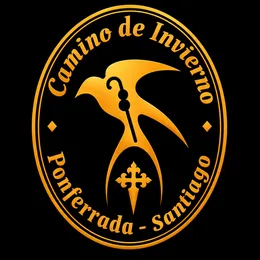
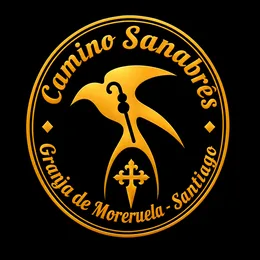
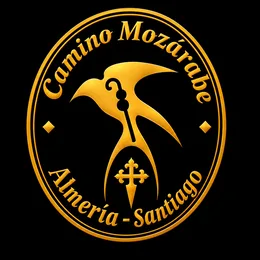
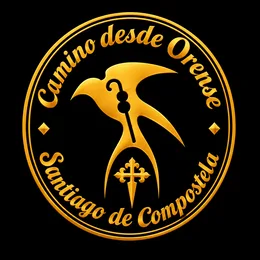
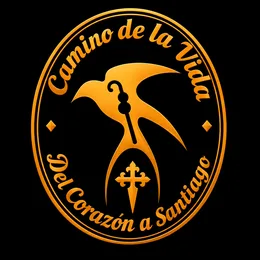
At Finca Anduriñas, in A Estrada (Pontevedra), we have several stamps of our own for your credential: in ink and in hand-made sealing wax, the latter made on the spot. Anduriña means swallow in Galician: the bird that returns to the same place every year, like so many pilgrims who walk the Camino again.
The Camino de Invierno, the Sanabrés, the Vía de la Plata and the Mozárabe all pass by the finca, and each one has its own Anduriñas design. You can also take them home as wallpapers from the Pilgrim's Corner.


The Anduriñas designs



How to look after
your credential
Waterproof sleeve. Galician rain is unforgiving: keep your credential in a plastic sleeve or a zip bag.
Let the ink dry before closing it, especially in the first days, when you still do not know which box each stamp will go in.
Keep sealing wax flat. A relief stamp holds up well as long as that page is not folded and does not spend hours in the sun or near a heat source.
Save space for the end. On the last 100 km you need two stamps a day: keep free boxes so you do not run out of room at the gates of Santiago.
Stamps and credential in brief
How many stamps do I need for the Compostela?
On the last 100 km on foot (or 200 km by bike) you must get at least two stamps a day. Before that stretch one stamp a day is usual, although it is not required for the Compostela.
What is a sealing-wax stamp?
It is a stamp made with a drop of hot sealing wax pressed with a metal die. It stays in relief and every one comes out different. Few places on the Camino offer it.
Does a sealing-wax stamp count for the Compostela?
Yes. It counts like any other Camino stamp as long as it identifies the place. Keep your credential flat so the relief is not damaged.
Where can I get a stamp in A Estrada?
At Finca Anduriñas, at Km 24.448, where the Camino de Invierno, the Sanabrés, the Vía de la Plata and the Mozárabe pass by. There are stamps of our own in ink and in hand-made sealing wax, and the stop is donation-based.
Do stamps from bars or private houses count?
Yes, stamps from albergues, churches, bars, town halls and places of welcome on the Camino are generally accepted. What matters is that the stamp is legible and identifies the place.
One more link
in the Camino
Finca Anduriñas continues, today, the tradition of welcoming the pilgrim: rest, a wax stamp and Galician food by donation in A Estrada, Pontevedra.